Deer Antlers: A Designer’s Review for Real Projects
When I first pulled up the Deer Antlers file on my screen, I wasn’t looking for flashiness. I was looking for versatility. As a designer who spends half my life digitizing and the other half stitching out test runs for clients, I have learned that the most valuable assets in my library are not the loudest ones. They are the ones that work quietly but effectively across different fabrics, hoop sizes, and customer demographics. This design, categorized under Wild Animals, immediately struck me as a piece that balances rustic charm with a refined silhouette. It does not scream; it whispers elegance.
First Impressions and Visual Personality
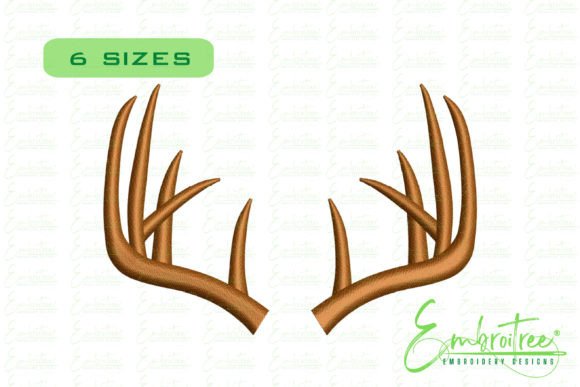
The initial layout of the Deer Antlers embroidery design suggests a careful consideration of negative space. In machine embroidery, what you leave out is often as important as what you stitch in. The antlers feature a clean, organic branching structure that avoids the cluttered look some nature-inspired designs fall into. The lines are smooth, suggesting a mix of satin stitch for the thicker bases and potentially finer running stitch or light fill stitch for the tines, depending on the specific digitization choices made by the creator.
This visual personality makes it incredibly adaptable. It feels at home on a rugged canvas tote just as much as it does on a soft, high-thread-count pillowcase. For an Etsy seller or small shop owner, this duality is gold. You are not locked into a single niche. You can market this as part of a woodland nursery collection or a sophisticated autumn home decor line without changing the core asset.
Real-World Application: The Tote Bag Test
To truly evaluate a design, I believe in putting it to work. I recently had a client request a set of reusable market bags for a local boutique. They wanted something neutral, gender-neutral, and timeless. I chose Deer Antlers for this project. Stitching it onto a natural cotton canvas required attention to stabilizer choice. I used a medium-weight cut-away stabilizer to ensure the fabric did not pucker around the anchor points of the antlers.
The result was striking. The design sat centrally on the bag, acting as a focal point without overwhelming the material. Because the design evokes a sense of natural appeal, it resonated with the boutique’s eco-conscious branding. Customers were drawn to the simplicity. It did not look like a mass-produced graphic; it looked like a thoughtful handmade product. This is the kind of reaction that builds customer trust and encourages repeat business for craft entrepreneurs.
Versatility Across Product Lines
Beyond tote bags, I see this design performing exceptionally well in several other categories:
- Custom Apparel: Placed on the left chest of a sweatshirt or hoodie, the design adds a subtle touch of wilderness chic. It works particularly well for unisex clothing lines.
- Nursery Decor: Softened with pastel thread colors, the antlers become a gentle motif for baby blankets or crib sheets. The organic shape is soothing rather than aggressive.
- Holiday Gifts: During the winter season, this design fits seamlessly into holiday embroidery themes. Stitched in white or silver thread on dark navy or forest green fabric, it mimics the look of frost or snow-covered branches.
- Embroidered Patches: The contained shape of the antlers makes it an ideal candidate for iron-on or sew-on patches, which are popular items for small shop products and craft fair merchandise.
Technical Considerations for Embroidery Designers
While the aesthetic is strong, practical execution requires diligence. Before committing to a large run of commercial embroidery projects, there are technical factors to review. Since the exact stitch count and file formats are not specified in the brief description, I advise downloading a sample or checking the provider’s details to ensure compatibility with your specific machine.
Stitch Density and Fabric Texture
If the design uses heavy fill stitch in the base of the antlers, it may pull on thin or stretchy fabrics. For t-shirts or lightweight baby clothes, consider using a water-soluble topping to prevent the stitches from sinking into the fabric texture. Always test the design on scrap fabric that matches your final product. This step is non-negotiable for maintaining professionalism and avoiding wasted materials.
Hoop Size and Placement
The versatility of Deer Antlers means it likely scales well, but you must confirm the maximum and minimum hoop size recommendations. On curved surfaces like caps, ensure the design is not too wide, which could cause distortion during stitching. A smaller, simplified version might be necessary for hats compared to flat items like aprons or tea towels.
Thread Color Contrast
This design relies on shape recognition. On dark fabrics, use light or metallic threads to ensure the antlers stand out. On light fabrics, earth tones like brown, taupe, or charcoal work beautifully. I recommend creating printable mockups in both black and white to check the contrast before threading up the machine. This helps visualize how the design will read from a distance, which is crucial for buyer engagement on digital platforms.
Enhancing Brand Value and Customer Trust
For creative entrepreneurs, the choice of design assets directly impacts brand consistency. Using a high-quality, well-digitized file like Deer Antlers signals attention to detail. When customers receive a finished product where the stitches are crisp, the tension is balanced, and the design is centered, their perception of value increases. This is especially true for personalized gifts and boutique branding.
Moreover, the natural theme appeals to a broad audience. It does not alienate potential buyers with overly specific cultural or trendy references. Instead, it offers a timeless element of elegance. This longevity means you can keep this design in your catalog for years, rotating it through different seasonal collections without it feeling dated.
Practical Tips for Sellers
- Check Licensing: Before selling finished items or digital embroidery files derived from this design, confirm the license terms. Ensure you have the right to use it for commercial embroidery purposes.
- Test Washability: If creating items like kitchen towels or baby clothes, wash the test piece to check for thread bleeding or fabric distortion. This ensures the durability of your handmade product.
- Mockup Variety: Use the design in various digital embroidery file previews. Show it on different backgrounds to help potential customers visualize the end result.
- Combine with Text: Consider pairing the antlers with simple, sans-serif lettering for monograms. Ensure the text does not compete with the intricate details of the antler tines.
In conclusion, Deer Antlers is a robust addition to any designer’s library. It bridges the gap between rustic wild animals themes and modern minimalist aesthetics. Whether you are decorating a single custom apparel piece for a friend or producing a line of tote bag designs for your online store, this design offers the reliability and visual appeal needed to succeed. Treat it with the technical respect it deserves, and it will elevate your embroidery project from simple decoration to a standout finished product.