Balloon: A Practical Review for Birthday Embroidery Projects
As a designer who has spent countless hours digitizing and stitching out machine embroidery designs, I have learned that not all cute concepts translate well into thread. When I first loaded the Balloon embroidery file into my software, my initial reaction was one of cautious optimism. The theme is universally appealing, especially for the Birthdays category, but the devil is always in the details. Does it stitch cleanly? Does it hold up on different fabrics? Is it versatile enough for a small shop owner to use across multiple product lines? After putting this design through its paces on various materials, I am ready to share my honest assessment for fellow crafters, Etsy sellers, and apparel decorators.
First Impressions and Visual Personality
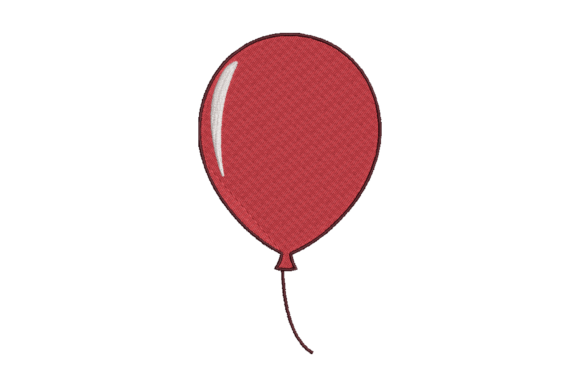
The Balloon design carries a whimsical, celebratory mood that immediately signals joy. It is not overly complex, which is often a blessing in machine embroidery. Complex designs with tiny details can easily become a mess of thread breaks and bird nests if the digitizing is not top-tier. This design feels approachable. The shapes are rounded and organic, suggesting a softness that works beautifully on textiles.
Visually, it creates a sense of lightness. For a handmade product, this is crucial. You do not want a birthday gift to feel heavy or industrial. The layout appears balanced, making it suitable for central placement on a t-shirt or as a subtle accent on a tote bag. However, before you commit to a large batch of custom apparel, you must consider how the specific stitch types used in this machine embroidery design interact with your chosen fabric.
Real-World Application: The Custom Tote Bag Test
To truly evaluate Balloon, I decided to use it for a real client project: a set of personalized birthday tote bags. These were intended as party favors for a child’s fifth birthday. I chose a medium-weight canvas for the base, knowing that canvas provides a stable surface for embroidery.
The stitching process revealed the design’s strengths. The fill stitches appeared dense enough to provide good coverage without being so thick that they caused puckering. This is a common issue with balloon-themed graphics if the digitizer relies too heavily on satin stitch on wide areas. Here, the balance seemed right. The result was a crisp, vibrant image that stood out against the natural beige of the canvas. For an Etsy seller, this kind of reliability is gold. It means fewer returns and higher customer trust.
I also tested the design on a fleece sweatshirt. The texture of the fleece can sometimes swallow up smaller details, but Balloon maintained its clarity. The thread colors popped nicely, proving that this design can handle both smooth and textured surfaces, provided you use the correct stabilizer.
Navigating Fabric Challenges and Hoop Constraints
While the design performed well on canvas and fleece, I encountered some considerations when moving to trickier materials. If you are planning to use this on thin fabric, such as a lightweight cotton tee or a silk blend, you must be vigilant. The stitch density, while moderate, still adds weight. Without a proper cut-away stabilizer, you risk distortion after washing.
Another critical factor is hoop size. Since the product description notes that the embroidery file is available in various sizes, you must ensure you select the version that fits your machine’s maximum hoop capacity. Do not attempt to resize the design significantly beyond its intended proportions, as this can distort the aspect ratio and cause stitching errors. For curved surfaces like caps, I would advise caution. The rounded nature of the balloon shape might look distorted if not hooped perfectly straight. A backing stabilizer is non-negotiable here to prevent shifting.
Dark fabrics present another challenge. If you are stitching Balloon on black or navy, you need high-contrast thread colors. Pastels may get lost. I recommend running a test stitch on a scrap piece of your actual fabric to check visibility. This simple step saves time and material costs, especially for commercial embroidery projects where margins are tight.
Commercial Viability for Small Businesses
For craft business owners and digital product sellers, versatility is key. Balloon fits neatly into several niches. It is an obvious choice for birthday embroidery, but do not limit yourself there. Consider its use for baby showers, gender reveal parties, or even general nursery decor. The playful aesthetic translates well to baby clothes, where soft, cheerful imagery is highly valued by parents.
From a branding perspective, using a consistent design style helps build recognition. If your small shop specializes in celebratory goods, adding Balloon to your library allows you to offer coordinated items—think matching aprons for the mom and onesies for the baby. This increases the perceived value of your handmade product and encourages larger orders.
However, always check the licensing terms. The description states it is available in various formats, but it does not explicitly detail commercial rights. Before selling finished items or using this as a design asset in printable mockups, confirm that your license permits commercial use. Most reputable designers allow selling physical finished products, but restrictions may apply to digital resale.
Technical Notes for the Serious Stitcher
To get the best results from this digital embroidery file, follow these practical steps:
- Stabilizer Selection: Use a medium-weight cut-away stabilizer for stretchy fabrics like jersey knits. For woven fabrics like cotton or linen, a tear-away may suffice, but test first.
- Thread Choice: Polyester threads offer durability and colorfastness, which is essential for items that will be washed frequently, such as t-shirts and kitchen towels. Rayon provides a nicer sheen for decorative pieces like pillow covers that see less wear.
- Needle Size: Match your needle to your fabric. A universal 75/11 needle works for most medium-weight fabrics, but switch to a ballpoint needle for knits to avoid snagging.
- Test Stitches: Always stitch out a sample on scrap fabric. Check for thread breaks, loose tension, or registration issues. This is particularly important for the edges of the balloon shape, where clean finishes matter most.
Final Verdict on Balloon
The Balloon embroidery design is a solid addition to any designer’s toolkit. It is not revolutionary, but it is reliable. It handles the transition from screen to stitch with grace, offering a clean, professional look that enhances the value of the finished product. Whether you are creating a personalized gift for a friend or stocking your online store with holiday embroidery items, this design delivers consistent results.
Just remember that the quality of the final output depends heavily on your preparation. Respect the fabric, choose the right stabilizer, and verify your file settings. When treated with care, Balloon becomes more than just a pattern; it becomes a tool for creating joy, one stitch at a time. For those looking to expand their craft business offerings with safe, cheerful, and commercially viable designs, this is a worthy candidate for your next project.