Review: Kitchen Utensils Cooking Embroidery Design
As a designer who has spent years digitizing and testing machine embroidery files, I approach every new machine embroidery design with a specific set of questions. Will it stitch cleanly? Does the layout make sense for real-world applications? And most importantly, will it add value to the finished product? Recently, I evaluated the Kitchen Utensils Cooking design, and I want to share my practical insights for fellow crafters, Etsy sellers, and apparel decorators considering this asset for their next project.
First Impressions and Visual Personality
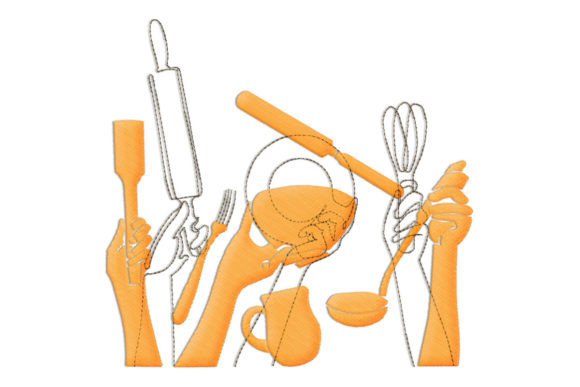
The first thing that strikes you about the Kitchen Utensils Cooking design is its functional charm. It does not try to be overly ornate or abstract. Instead, it leans into a recognizable, homey aesthetic that immediately communicates warmth and utility. The shapes are distinct, likely utilizing a mix of satin stitch for outlines and fill stitch for broader areas to create depth without excessive bulk.
This visual clarity is crucial. In the world of commercial embroidery, readability is king. If a customer glances at a towel or an apron from three feet away, they need to instantly recognize the motif. This design achieves that balance. It feels like a natural fit for anyone looking to create a cohesive look for kitchen textiles, avoiding the cluttered look that plagues many lower-quality embroidery file offerings.
Real-World Application: The Custom Apron Test
To truly understand how a design performs, you have to imagine it in a live scenario. I pictured using this motif for a custom order: a high-quality linen apron for a local baking boutique. The client wanted something professional yet inviting. Here, the Kitchen Utensils Cooking design shines. Placed on the upper left chest or centered on the bib, it acts as a subtle brand marker rather than an overwhelming graphic.
Beyond aprons, this design is versatile enough for various handmade product lines. Imagine it stitched on heavy cotton tea towels, where the texture of the fabric complements the thread. It would also work well on canvas tote bags, serving as a charming accent for grocery runs or farmers market trips. For Etsy sellers, this versatility means you can create multiple listings from a single digital embroidery file, maximizing your return on investment.
Fabric Considerations and Stitching Performance
While the design is robust, successful execution depends heavily on your material choices. When working with textured fabrics like waffle-weave towels or thick denim, you must ensure your stitch density is appropriate. If the design is too dense, it can cause puckering; if too light, it may get lost in the weave. I recommend testing on scrap fabric first to gauge how the threads interact with the surface.
For stretchy materials, such as jersey knits used in t-shirts or baby clothes, proper stabilization is non-negotiable. A cut-away stabilizer is often safer than tear-away for garments that will undergo frequent washing and wearing. Additionally, consider the thread colors carefully. On dark fabrics, you might need to use a lighter underlay or adjust the color palette to ensure the utensil shapes remain visible. Conversely, on white or cream linens, earthy tones or vibrant primary colors can pop beautifully.
Navigating Small Hoop Sizes and Details
If you plan to use this design on smaller items like pot holders or embroidered patches, pay close attention to the smallest details. Tiny elements can sometimes merge or break if the needle size is too large or if the fabric shifts. Always check the recommended hoop size provided with the file. If the design includes fine lines, ensure your machine is calibrated correctly to prevent thread breaks. For curved surfaces like caps, you may need to adjust the placement to avoid distortion, though this particular motif seems better suited for flat or slightly curved surfaces like pillow covers and tablemats.
Enhancing Brand Value and Customer Trust
For small business owners, the quality of your design assets directly impacts perceived value. A clean, well-digitized design signals professionalism. When customers see crisp edges and consistent stitching on a personalized gift or a boutique item, they trust the maker’s skill. The Kitchen Utensils Cooking design supports this by offering a polished look that elevates simple home decor into something special.
This is particularly relevant for holiday seasons. Think of this design on oven mitts or kitchen signs as part of a holiday embroidery collection. It creates a cohesive theme that buyers look for when shopping for housewarming gifts or wedding presents. By maintaining consistency in your product line using reliable designs, you build brand recognition and encourage repeat customers.
Practical Designer Notes for Best Results
Before launching this design into your production workflow, keep these technical checks in mind:
- Test on Scrap Fabric: Always run a test stitch-out on the same type of fabric you intend to use for the final product. This reveals any tension issues or density problems.
- Check Thread Contrast: Use a black-and-white mockup to ensure the design holds its shape without relying on color differentiation. This helps identify if any details are too thin.
- Verify Licensing: Confirm the license terms included with the digital embroidery file. Ensure you are compliant whether you are selling physical finished products or using the design for personal projects.
- Stabilizer Selection: Match your stabilizer to the fabric weight. Heavy fabrics may need less support, while lightweight or stretchy materials require robust stabilization to prevent shifting.
- Inspect Small Details: Zoom in on the digital preview. Look for potential jump stitches or areas where the needle might travel excessively, which could increase production time.
Final Verdict for Craft Entrepreneurs
The Kitchen Utensils Cooking design is a solid addition to any crafter’s library. It balances aesthetic appeal with practical stitchability, making it suitable for a wide range of embroidery project types. Whether you are creating custom apparel, home decor, or small shop product lines, this motif offers the reliability needed for professional results.
Remember, the key to success lies not just in the design itself, but in how you apply it. By paying attention to fabric texture, stabilizer choice, and thread quality, you can transform this digital asset into a tangible, high-value item. For those looking to expand their craft business offerings with kitchen-themed goods, this design provides a strong foundation for creating items that customers will love and use daily.
Always double-check the specific file formats and hoop sizes included in your purchase, as these details vary by vendor. With careful preparation and a keen eye for detail, the Kitchen Utensils Cooking design can become a staple in your portfolio, helping you deliver beautiful, durable, and desirable handmade goods.