Star Frame - Satin Stitch: A Designer’s Review
As an embroidery designer who has spent countless hours digitizing, testing, and stitching out thousands of files, I have developed a keen eye for what works in the real world. It is one thing to look at a digital preview on a screen; it is another entirely to see how a machine embroidery design behaves under the needle, especially when you are producing items for clients or your own small shop. Recently, I pulled up Star Frame - Satin Stitch to evaluate its potential for upcoming projects. This piece belongs to the Nursery category, but its versatility extends far beyond baby items if handled with care.
First Impressions and Visual Personality
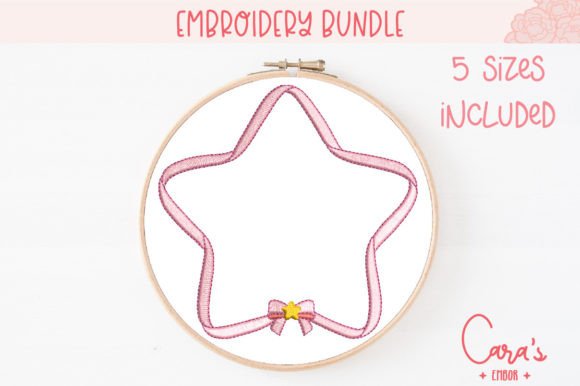
The first thing that strikes you about Star Frame - Satin Stitch is its clean, geometric confidence. The use of satin stitch throughout the frame creates a smooth, glossy finish that catches the light beautifully. This is not a design that relies on complex fill stitches or intricate running stitch details to make its point. Instead, it leans into the classic elegance of wide, dense columns of thread. The mood it creates is structured yet whimsical, making it a natural fit for projects that require a touch of polished charm without overwhelming the base fabric.
For those of us in the craft business, visual clarity is paramount. A design that looks muddy after stitching is a liability. Here, the layout suggests high definition. The star motif is framed securely, providing a balanced composition that draws the eye inward. This makes it an excellent candidate for personalized gifts where a name or date might be placed inside the frame, although the product notes advise against resizing or editing. This constraint means we must work with the design as-is, respecting its original proportions to maintain quality.
Real-World Application: The Tote Bag Test
To truly understand the value of an embroidery file, I mentally place it on various substrates. Let us consider a custom embroidered tote bag, a staple for any Etsy seller or boutique owner. Canvas is a forgiving fabric, but it has a distinct texture. The satin stitch in Star Frame - Satin Stitch would sit prominently on top of the weave, creating a tactile contrast that customers love. It feels substantial. When a buyer picks up a tote with this design, they are not just seeing a print; they are feeling the craftsmanship. This adds perceived value to the handmade product, justifying a higher price point.
However, the application requires precision. Because satin stitches can be prone to snagging if they are too long or loose, ensuring proper tension is critical. On a thick canvas, using a heavy-duty needle and a cut-away stabilizer would be my go-to strategy. This ensures the design remains crisp and does not pucker the fabric, which is a common pitfall for less experienced makers working with dense stitch areas.
Nursery Decor and Baby Items
Given its categorization in the Nursery sector, this design shines in baby embroidery projects. Imagine it stitched onto a soft muslin swaddle or a structured crib sheet. The star theme is timeless, appealing to parents who want gender-neutral decor that feels modern rather than overly cartoonish. However, safety and comfort are non-negotiable here. Satin stitches can sometimes feel stiff or raised against sensitive skin. If using this on clothing that touches a baby’s neck or face, I would recommend placing it on the back of a onesie or on a decorative pillow cover rather than directly on the chest area. Always prioritize the end-user’s comfort when selecting stitch types for infant items.
Fabric Considerations and Technical Challenges
While Star Frame - Satin Stitch is versatile, it is not universal. There are specific scenarios where caution is required. Thin or stretchy fabrics, such as jersey knits used for t-shirts or sweatshirt embroidery, demand extra attention. Satin stitches have a tendency to pull and distort lightweight materials. If you plan to use this on a cap or a curved surface, the hoop size and stabilization become even more critical. A poor choice of stabilizer can lead to registration issues, where the frame looks warped rather than sharp.
Dark fabrics present another challenge. If you are stitching this in light thread colors on black navy denim, the density of the satin stitch must be sufficient to cover the background completely. Any gaps in the stitch density will reveal the fabric underneath, ruining the clean look. Conversely, on textured fabrics like linen or wool, the smoothness of the satin stitch provides a lovely contrast, but you must ensure the needle is sharp enough to penetrate without causing excessive holes.
Commercial Viability and Brand Consistency
For commercial embroidery projects, consistency is key. Whether you are producing a batch of aprons for a local cafe or holiday embroidery for seasonal gifts, the design must reproduce reliably. Star Frame - Satin Stitch appears to have a straightforward structure that should minimize thread breaks and trimming time, which is essential for maintaining profit margins in a small shop product line. It serves well as a brand asset, offering a recognizable signature style that can be applied across different merchandise.
When creating printable mockups or digital product previews for your online store, this design photographs well. The sheen of the satin stitch reflects light, adding depth to photos that flat prints lack. This enhances buyer engagement and helps potential customers visualize the finished product. However, always verify the license terms before selling finished items. While many digital embroidery files allow for commercial use of the physical product, restrictions may apply to mass production or digital resale.
Practical Designer Notes
Before committing to a full production run, I always follow a strict testing protocol. First, stitch out Star Frame - Satin Stitch on scrap fabric that matches your final project material. Check the thread color contrast; sometimes, two shades that look distinct on screen blend together in thread form. Inspect the small details and corners of the star to ensure they are sharp and not bunching up.
- Test on multiple fabrics: See how it behaves on both woven and knit materials.
- Check stabilizer compatibility: Use tear-away for stable wovens and cut-away for stretchy knits.
- Review stitch density: Ensure it is not too dense for delicate fabrics, which could cause perforation.
- Verify hoop size: Confirm the design fits within your machine’s maximum hoop capacity without repositioning.
- Mockup in black and white: This helps identify value contrast and structural clarity without the distraction of color.
Remember, resizing or editing the design is not recommended, as the quality cannot be guaranteed if altered. This means you must choose the right hoop size from the start. If you need a larger version, look for a different file rather than stretching this one. By respecting the digital integrity of the embroidery file, you ensure that every stitched item meets the high standards your customers expect from a professional maker.
In conclusion, Star Frame - Satin Stitch is a robust, aesthetically pleasing addition to any designer’s library. It bridges the gap between playful nursery themes and sophisticated home decor, provided it is executed with technical precision. For the serious crafter or small business owner, it offers a reliable path to creating high-value, visually striking products that stand out in a crowded marketplace.