E2E Sugar Cookie Quilting: A Designer’s Review
As an embroidery designer who has spent countless hours digitizing and testing patterns, I approach every new machine embroidery design with a mix of curiosity and skepticism. We all know that what looks perfect on a screen does not always translate seamlessly to fabric. When I first loaded the E2E Sugar Cookie Quilting file into my software, I was immediately struck by its whimsical charm. It is not just a pattern; it is a mood. The design captures the cozy, nostalgic essence of holiday baking, making it an ideal candidate for seasonal projects. However, before I commit any thread to fabric for a client or my own craft business, I need to understand how it behaves under the needle.
First Impressions and Visual Personality
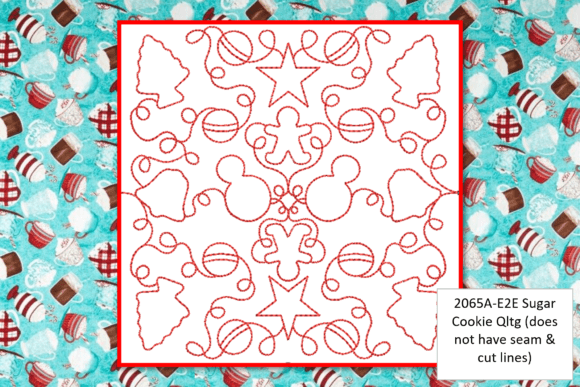
The visual personality of E2E Sugar Cookie Quilting is undeniably cheerful. The shapes are rounded and organic, mimicking the imperfect, hand-rolled nature of real cookies. This lack of rigid geometry is actually a strength in quilting and large-scale embroidery because it hides minor alignment issues that can occur when stitching across large areas. For a Christmas themed project, this design offers a subtle alternative to the usual snowflakes and stars. It feels warm and inviting, which is exactly the emotional response we want to evoke in a personalized gift or a boutique home decor item.
From a layout perspective, the edge-to-edge nature of the design means it is intended to cover a surface continuously. This requires a different mindset than placing a single motif on a chest pocket. You are creating a texture rather than a focal point. The detail level is moderate, which is crucial for maintaining stitching clarity without turning the fabric into a stiff board. If you are an Etsy seller looking to differentiate your small shop product line, this kind of textured background can add significant perceived value to simple items like pillow covers or tote bags.
Real-World Application: The Holiday Tote Test
To truly evaluate this embroidery file, I imagined a specific real-life scenario: creating a set of reusable grocery totes for a local farmer’s market holiday promotion. The goal was to produce a handmade product that felt festive but durable. I chose a sturdy cotton canvas for the test. Using E2E Sugar Cookie Quilting as an all-over pattern on the front panel seemed like a bold move, but one that could pay off if executed correctly.
The stitching process revealed the importance of proper stabilization. Because this is an edge-to-edge design, the cumulative pull of the threads can distort lightweight fabrics. On the canvas, however, the design sat beautifully. The fill stitch areas provided enough coverage to look substantial, while the running stitch outlines kept the definition crisp. The result was a tote bag that looked professionally finished and unique. Customers are increasingly drawn to items that show craftsmanship, and this type of detailed quilting effect signals quality and effort, boosting buyer engagement and trust.
Fabric and Hoop Considerations
While the design performed well on canvas, I would exercise caution with other materials. For sweatshirt embroidery or baby embroidery on soft knits, the density of the stitches must be carefully managed. If the stitch density is too high for a stretchy fabric, the garment will pucker and lose its comfort. I recommend testing the design on scrap fabric first, especially if you are working with textured fabrics or thin materials like silk or rayon.
Another critical factor is the hoop size. Since this is an E2E design, you will likely be using a large hoop or employing a multi-positioning technique. Ensure that your machine can handle the continuous stitching required without losing registration. For curved surfaces like caps, this design is generally not suitable unless adapted significantly, as the flat, repeating pattern will distort over the crown’s curve. Stick to flat or gently curved items like aprons, tea towels, or pillow covers for the best results.
Color and Contrast Strategy
The choice of thread colors can make or break this design. In my test, I used a cream thread on a natural canvas, which created a subtle, tonal look that felt sophisticated and modern. However, for a more traditional holiday embroidery vibe, contrasting colors like red on white or green on beige would pop dramatically. I always advise checking the design in black and white mockups first. This helps you see the structural integrity of the pattern without the distraction of color. If the design loses its definition in grayscale, it may rely too heavily on color contrast rather than stitch structure, which can be problematic for customers who prefer monochrome or subtle aesthetics.
For custom apparel like t-shirts, consider using a lighter weight thread or adjusting the density to prevent the fabric from becoming stiff. The goal is to enhance the garment, not weigh it down. When selling digital embroidery file products or finished items, providing examples of different colorways can help customers visualize the versatility of the design.
Commercial Viability and Licensing
For those running a commercial embroidery business, understanding the licensing terms of E2E Sugar Cookie Quilting is essential. Before selling finished items or incorporating the design into design assets for resale, confirm the license allows for commercial use. Many designers offer different tiers of licensing, so it is worth checking the specific terms provided with the purchase. Assuming the license permits it, this design is a strong contender for seasonal collections. It fits well into categories like nursery decor, kitchen textiles, and holiday gifts.
The professionalism of the final finished product depends largely on your execution. Clean trimming, proper stabilizer removal, and precise hooping are non-negotiable. A poorly stitched E2E design can look messy and amateurish, whereas a well-executed one looks like high-end textile art. This distinction directly impacts customer trust and brand consistency. If you are building a reputation for quality, every stitch counts.
Final Verdict
E2E Sugar Cookie Quilting is a versatile and charming addition to any embroidery library. It excels in creating textured, festive backgrounds for home decor and accessories. While it requires careful attention to fabric choice and stabilization, the results can be stunning. Whether you are creating a tote bag design for your shop or a special embroidered patch for a gift, this design offers a blend of playful aesthetics and practical usability. Just remember to test thoroughly, respect the material limitations, and enjoy the creative process. Happy stitching!