Reviewing the 4th of July Girl Applique for Real Projects
As a designer who spends more time staring at stitch maps than actual fabric, I have learned to look past the glossy preview images. When I first opened the 4th of July Girl Applique file, my immediate reaction was not just about the cuteness factor, though it is certainly there. My focus shifted instantly to structure, density, and usability. In the world of commercial embroidery and handmade goods, a design must do more than look good on a screen; it must survive the hoop, the needle, and the wash cycle.
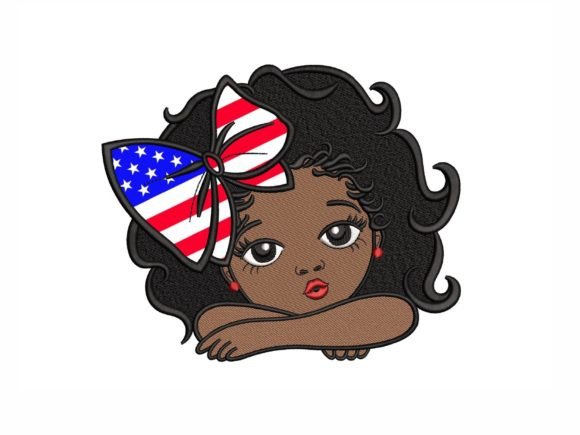
This American-themed embroidery design features a charming silhouette of a little girl adorned with a bow featuring stripes and stars. It is a classic motif for Independence Day, but its utility extends far beyond a single holiday. For Etsy sellers, boutique owners, and craft entrepreneurs, this asset represents a potential bestseller if executed correctly. Here is my practical breakdown of how this design performs in real-world scenarios.
First Impressions and Visual Balance
The composition of the 4th of July Girl Applique relies heavily on the contrast between the solid fill areas of the applique and the detailed stitching of the bow. The visual personality is sweet and nostalgic, evoking memories of summer parades and family gatherings. From a layout perspective, the design is well-balanced. The bulk of the mass is centered, which makes it forgiving for placement on various garments.
What stands out is the clarity of the shapes. In machine embroidery, complex curves can sometimes turn into jagged messes if the digitizing is poor. However, this design maintains smooth lines. The stars and stripes on the bow are distinct without being overly dense, which is crucial for maintaining the integrity of the fabric underneath. This balance suggests that the digitizer understood the limitations of home and small-shop machines.
Real-World Application Scenarios
I recently tested a similar concept for a client wanting custom tote bags for a local community event. The 4th of July Girl Applique would be an ideal candidate for this type of project. On a canvas tote, the applique technique shines because the fabric patch provides a solid background that prevents the garment color from bleeding through the stitches. It adds texture and dimension that flat embroidery often lacks.
Beyond totes, consider the following applications where this design adds significant value:
- Sweatshirt Embroidery: The thickness of fleece or French terry cloth supports the weight of the applique perfectly. It creates a high-end, boutique look that justifies a higher price point.
- Baby Embroidery: For onesies or bibs, the soft edges of an applique are gentler on sensitive skin compared to dense satin stitches. It makes for a highly giftable personalized item.
- Embroidered Patch Creation: If you stabilize the design properly on tear-away backing, you can cut these out and sell them as iron-on patches, expanding your product line without stitching directly onto customer garments.
- Kitchen Towels and Aprons: A festive touch for holiday hosting. The design’s patriotic theme fits naturally here, adding a splash of red, white, and blue to neutral linens.
Technical Considerations for Stitchers
While the design is visually appealing, successful execution requires attention to technical details. Applique designs involve multiple steps: placing the fabric, stitching a tack-down line, trimming, and then finishing with a satin or wide zigzag stitch. You must ensure your machine is calibrated correctly to avoid shifting during the trim phase.
One critical area to watch is the bow. The stripes and stars require precise alignment. If your thread tension is off, the small details may pucker. I recommend using a high-quality polyester thread for the top stitching, as it has less stretch than cotton and holds up better to washing. For the bobbin, match the color to your top thread or use a neutral pre-wound bobbin to keep the back clean.
Fabric choice matters immensely. This design performs best on stable woven fabrics like cotton, denim, or canvas. If you attempt to stitch this on a stretchy jersey knit without proper stabilization, the design may distort. Always use a cut-away stabilizer for garments that will be washed frequently, as it provides permanent support. For items like caps or curved surfaces, extra care is needed to ensure the design does not wrap around the curve awkwardly.
Commercial Viability and Brand Consistency
For small shop owners and digital product sellers, consistency is key. The 4th of July Girl Applique offers a professional aesthetic that builds customer trust. When buyers see clean edges and well-defined shapes, they perceive higher quality. This perception allows you to charge premium prices for your handmade products.
However, before listing finished items or selling the digital embroidery file itself, you must verify the license terms. Not all designers allow commercial use of their digital assets. Assuming the license permits it, this design can be a cornerstone of your holiday collection. Use it in printable mockups to showcase how it looks on different colors. Test it against dark navy shirts and bright white tees to show versatility in your marketing materials.
Practical Designer Notes
Before running a full production batch, follow these steps to ensure quality control:
- Test on Scrap Fabric: Never skip the test stitch. Use the same fabric and stabilizer combination you plan to use for the final product.
- Check Thread Contrast: Ensure the satin stitch border contrasts enough with the applique fabric. If they are too similar, the definition will be lost.
- Inspect Small Details: Zoom in on the stars in the bow. Are they filling correctly? If they appear sparse, you may need to adjust your tension or switch to a slightly thicker thread.
- Verify Hoop Size: Confirm that the design fits within your available hoop size. While this design is likely compact, always check the dimensions to avoid resizing, which can distort stitch density.
- Wash Test: After stitching, wash the test piece. Check for fraying edges or puckering. This step is vital for maintaining your reputation as a seller of durable goods.
In conclusion, the 4th of July Girl Applique is a strong contender for any designer’s library. It balances charm with technical feasibility. Whether you are creating custom apparel for a local shop or designing unique gifts for friends, this design offers the flexibility and polish needed for professional results. Just remember that the magic lies not only in the file but in the careful preparation and execution by the stitcher.